
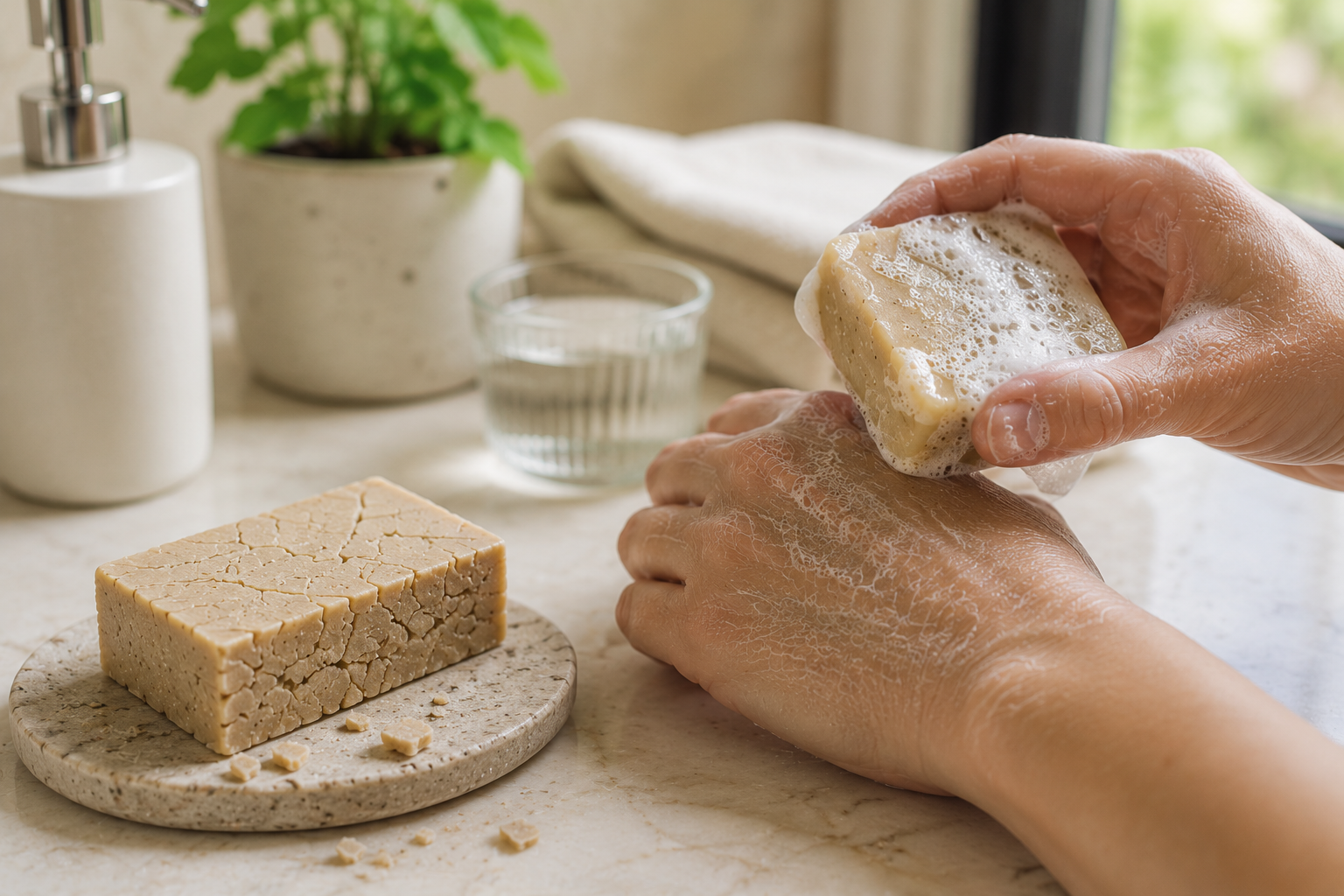
Have you ever noticed that your skin feels tight, rough, or dry immediately after using a soap? This is one of the most common skincare concerns people experience. While soap is designed to remove dirt, sweat, and impurities, some formulations can also strip away part of the skin's natural protective oils, leaving it feeling less comfortable after cleansing.
Not every soap affects the skin in the same way. The ingredients, formulation, cleansing agents, fragrance, and even how frequently you wash can all influence how your skin feels after use. People with naturally dry or sensitive skin are often more likely to notice dryness, especially when using soaps that are not suited to their skin type.
The good news is that dry-feeling skin after washing is often manageable by choosing the right type of soap and following a few simple skincare habits. In this guide, we'll explain why some soaps make skin feel dry and how you can reduce that uncomfortable feeling.
Why Does Skin Feel Dry After Washing?
Your skin naturally contains oils that help maintain its protective barrier and keep it feeling soft and comfortable. During cleansing, soap removes dirt, sweat, excess oil, and other impurities from the skin's surface.
Some soaps are formulated to provide a stronger cleansing effect, which may also remove more of the skin's natural oils. As a result, the skin may temporarily feel tight, dry, or less hydrated after washing.
Environmental conditions such as cold weather, low humidity, and frequent bathing can make this feeling even more noticeable.
Common Reasons Some Soaps Cause Dryness
Several factors may contribute to dry-feeling skin after using soap. Understanding these causes can help you choose products that better match your skin's needs.
Strong Cleansing Ingredients
Some soaps contain cleansing agents designed to remove heavy oil, dirt, or impurities. While effective at cleansing, these formulations may leave certain skin types feeling drier after use.
Frequent Washing
Washing the skin many times throughout the day can repeatedly remove natural surface oils, making dryness more noticeable over time.
Hot Water
Using very hot water while bathing can contribute to moisture loss from the skin. Warm water is generally a gentler choice for everyday cleansing.
Skin Type
People with naturally dry or sensitive skin may experience more dryness after washing than those with normal or oily skin.
Environmental Conditions
Cold weather, dry indoor air, air conditioning, and low humidity can all reduce the skin's moisture levels, increasing the likelihood of dryness after bathing.

Ingredients That Can Influence How Soap Feels
The formulation of a soap plays a major role in the overall cleansing experience.
Some soaps are designed to provide deep cleansing, while others focus on creating a gentler and more moisturizing feel. Ingredients such as glycerin, aloe vera, goat milk, plant oils, and botanical extracts are commonly included in handmade and premium soaps to create a more comfortable cleansing experience.
The balance between cleansing performance and skin comfort is one of the most important considerations when choosing a soap for daily use.
Choosing the Right Soap for Your Skin Type
Selecting a soap that matches your skin type can help reduce dryness after washing.
Dry Skin
People with dry skin often prefer soaps containing moisturizing ingredients such as glycerin, aloe vera, goat milk, shea butter, or plant-based oils.
Oily Skin
Those with oily skin may choose soaps formulated to provide a refreshing cleansing experience without feeling overly harsh.
Sensitive Skin
Fragrance-free or mildly scented soaps with simple ingredient lists are often preferred for sensitive skin.
Combination Skin
People with combination skin may benefit from gentle formulations that provide balanced cleansing without excessive dryness.
Choosing a soap based on your skin's individual needs often produces better results than selecting one solely based on fragrance or appearance.

Can Handmade Soap Help Reduce Dryness?
Many people choose handmade soaps because they often contain carefully selected ingredients and can be customized for different skin types.
Handmade soaps may include glycerin, botanical oils, herbal extracts, aloe vera, honey, or goat milk, depending on the formulation. These ingredients are commonly used to create soaps that provide a pleasant cleansing experience.
However, every handmade soap recipe is different, so reading the ingredient list and selecting a product suitable for your skin remains important.
Simple Tips to Prevent Skin Dryness After Washing
A few small changes to your daily routine can help reduce the feeling of dryness after using soap.
- Use lukewarm instead of very hot water.
- Avoid washing more frequently than necessary.
- Choose soaps suited to your skin type.
- Pat the skin dry gently instead of rubbing with a towel.
- Apply a moisturizer soon after bathing to help lock in moisture.
- Store soap properly so it remains in good condition between uses.
Consistent skincare habits often have a greater impact than changing a single product.
Common Mistakes That Can Increase Dryness
Many people unknowingly make small mistakes that contribute to dry-feeling skin.
Using excessive amounts of soap, scrubbing aggressively, taking long hot showers, or choosing products that don't match your skin type can all increase the likelihood of dryness.
Ignoring seasonal changes is another common mistake. During colder months, skin often benefits from gentler cleansing products and more frequent moisturization.
Paying attention to how your skin responds throughout the year can help you adjust your routine when needed.
When Should You Consider Changing Your Soap?
If your skin consistently feels uncomfortable after every wash, it may be worth trying a different soap formulation.
Signs that your current soap may not be the best fit include:
- Tight feeling after washing
- Persistent dryness
- Rough texture
- Flaking skin
- Reduced comfort after daily cleansing
Switching to a gentler soap and maintaining a regular moisturizing routine often improves the overall cleansing experience.
Frequently Asked Questions
Why Does My Skin Feel Tight After Using Soap?
Some soaps remove more of the skin's natural oils during cleansing, which can temporarily leave the skin feeling tight or dry.
Does Hot Water Make Skin Drier?
Yes. Very hot water can contribute to moisture loss and make dryness more noticeable after bathing.
Is Handmade Soap Better for Dry Skin?
Many handmade soaps contain ingredients such as glycerin, aloe vera, or plant oils that are commonly chosen for a gentler cleansing experience. The exact effect depends on the individual formulation.
How Can I Reduce Dryness After Washing?
Using lukewarm water, choosing a suitable soap, and applying moisturizer after bathing can help reduce dryness.
Should I Stop Using Soap if My Skin Feels Dry?
Not necessarily. Instead, consider switching to a soap that is better suited to your skin type and adjusting your skincare routine.
Conclusion
Feeling dry after using soap is a common experience, but it is often influenced by factors such as soap formulation, skin type, washing habits, and environmental conditions. Understanding why dryness occurs makes it easier to choose products that provide a more comfortable cleansing experience.
Selecting a soap that matches your skin type, avoiding excessively hot water, and following a simple moisturizing routine can help maintain softer, more comfortable skin after every wash. Whether you choose a handmade soap or a commercially produced one, the right formulation and good skincare habits can make a noticeable difference in your daily routine.